Binding Machine Buying Guide: How To Match Punching, Pitch And Production Volume
Leave a message
The wrong binding machine is often purchased by starting with a product specification instead of a production requirement. A buyer compares punch capacity, motor power or automation level before answering a more basic question: what finished book or document must the line produce, and how often?
A binding machine has to work with the page size, paper and cover materials, hole pattern, binding pitch, spine type and expected production volume. A machine that is ideal for one Wire-O calendar line may be a poor fit for a plastic-coil notebook operation.
This buyer guide explains the decisions to make before comparing models. For current YPS equipment categories, start with the binding machine range and paper punching machine range.
1. Start With the Finished Product
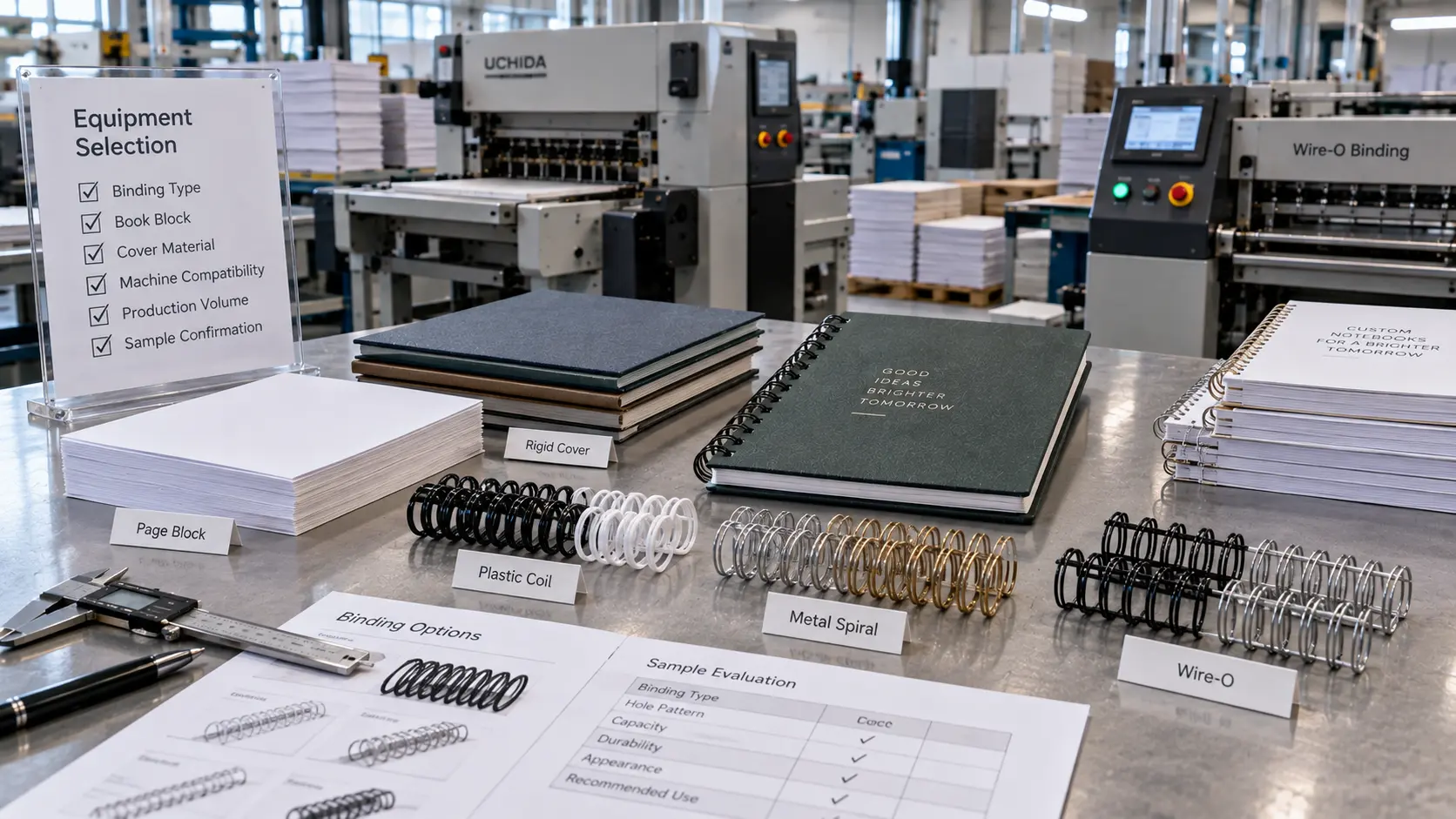
Define the product before the machine. A useful equipment brief begins with the items the customer will actually bind:
- finished page size and binding-edge length;
- paper type and typical book-block thickness;
- cover material and whether the cover is punched;
- spiral coil, Wire-O or another binding system;
- required pitch and hole pattern;
- expected daily or shift volume;
- number of different formats run on the same equipment;
- quality requirements for hole position, spine closing and page turning.
This prevents a common procurement mistake: buying a machine with attractive headline capacity that does not match the actual binding edge, pitch or closing workflow.
2. Choose the Binding System Before the Machine Architecture
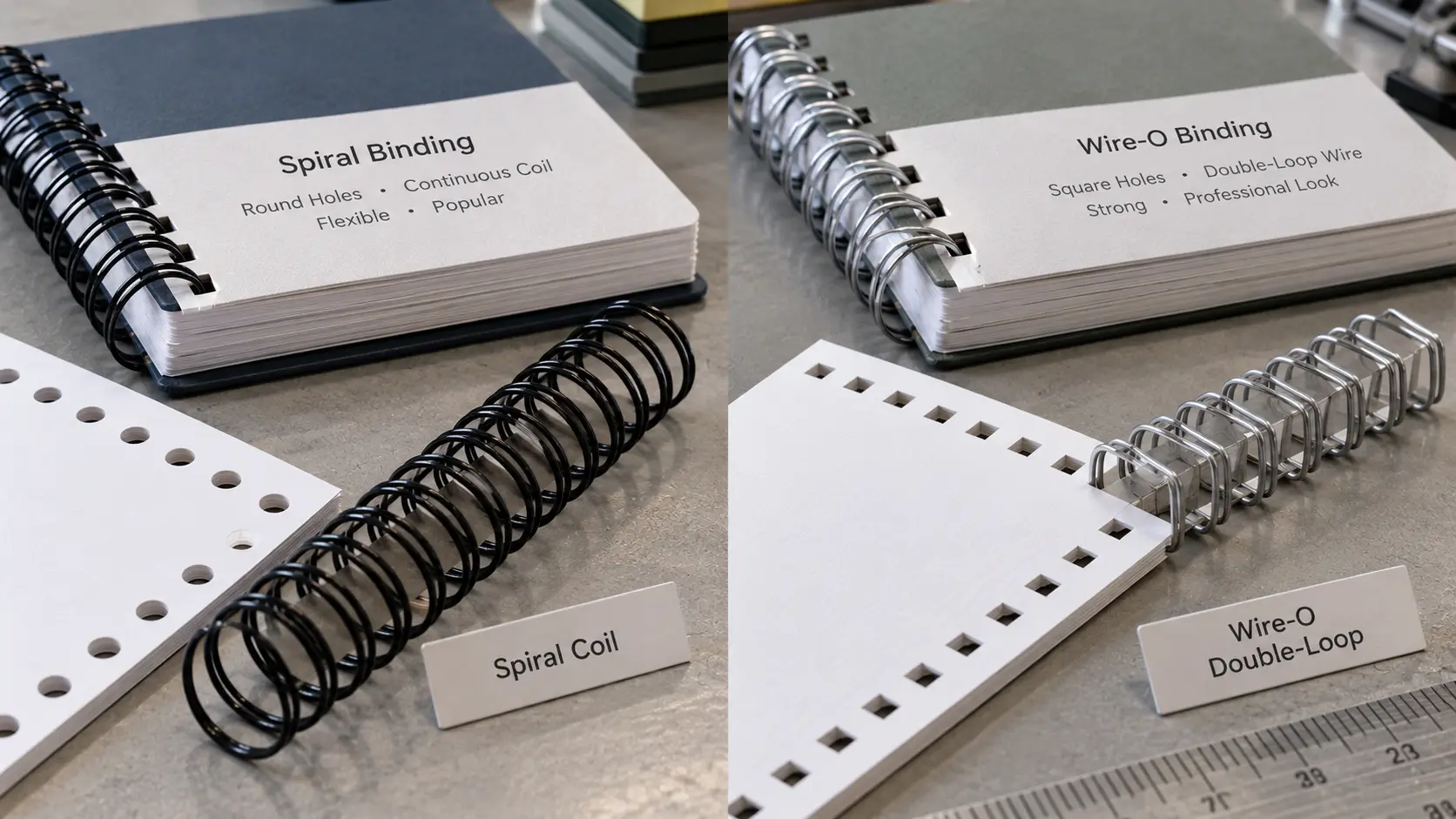
Spiral coil production
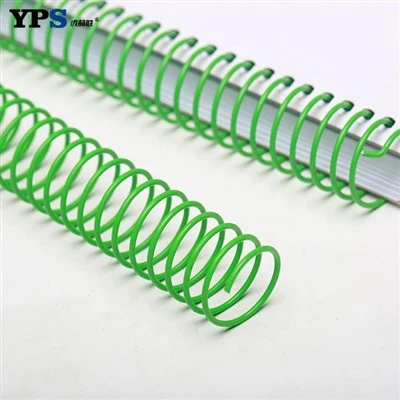
Spiral coil workflows require a compatible punched pattern and a coil insertion/finishing process. The coil may be plastic/PET or metal depending on the project. YPS provides both plastic spiral binding coil and metal spiral coil product categories, so the equipment decision should start with the actual spine material and pitch.
For smaller runs, punching and insertion may remain separate operations. Higher-volume lines may justify more dedicated or automated handling. YPS's article on choosing an electric spiral binding machine goes deeper into coil-specific equipment selection.
Wire-O production
Wire-O requires the punch pattern to match the selected wire pitch and a controlled closing step that forms the spine consistently without crushing or leaving an excessive gap.
Production buyers should therefore evaluate punching and closing as one system. The YPS Double Loop Wire-O range provides the binding element context, while the guide to wire binding machine features covers machine-specific questions.
3. Confirm Pitch and Die Compatibility
Pitch is not a cosmetic specification. It is the relationship between the holes and the binding element. If the die and spine do not match, the job will not assemble correctly no matter how capable the motor or controls are.
Before ordering equipment, record:
- the required pitch for each product family;
- whether one die is sufficient or multiple punch patterns are needed;
- whether the die is fixed, replaceable or changeable on the proposed machine;
- how setup is controlled when the factory changes products.
For Wire-O buyers, the wire binding machine compatibility checklist is the best follow-up resource because it treats wire, pitch, punch and closer as connected specifications.
4. Evaluate Punching as a Production Bottleneck
Many buyers focus on the binding stage and underestimate punching. In practice, poor or slow punching can limit the entire line.
Do not compare punch capacity without the test material
A rated stack based on ordinary text paper does not automatically represent laminated covers, thick card, coated sheets or mixed book blocks. Ask whether the quoted capacity applies to your actual paper and cover combination.
Check the usable binding-edge length
A machine must punch the full required edge accurately. Oversize notebooks, calendars and unusual formats can create problems even when the machine has adequate punching force.
Ask how covers are handled
Rigid or laminated covers may need to be punched separately. A useful equipment trial includes the actual cover construction rather than only loose text paper.
YPS's spiral binding paper punching equipment illustrates why punching deserves its own specification instead of being treated as a minor accessory.
5. Match Automation to the Real Production Volume
Automation should remove a repeatable bottleneck. It should not be purchased simply because a machine has more functions.
| Production Situation | What Usually Matters Most |
|---|---|
| Frequent short runs with many format changes | Fast setup, clear controls, flexible guides and easy changeover |
| Stable notebook or calendar SKU | Repeatability, feeding consistency and cycle integration |
| Mixed materials and covers | Adjustability and reliable material handling |
| High-volume repetitive production | Throughput, reduced manual handling, stable QC and serviceability |
A factory should compare the full cycle time-not only the nominal speed of one station. Loading, jogging, punching, spine insertion, closing, trimming or crimping, inspection and stacking can each become the limiting stage.
For larger production planning, see YPS's high-volume spiral binding machine setup guide.
6. Integrated Machine or Separate Stations?
An integrated machine can reduce handling for a stable product, but separate stations can be easier to adjust, maintain and balance when formats vary.
An integrated workflow is attractive when:
- the product range is stable;
- the punch pattern changes infrequently;
- operators repeat the same sequence at volume;
- floor-space and handling reduction matter.
Separate stations may be better when:
- different products use different binding systems;
- covers require a different punch method from interiors;
- one process needs independent capacity;
- maintenance downtime on one station should not stop every operation.
There is no universal answer. The machine layout should follow the production mix.
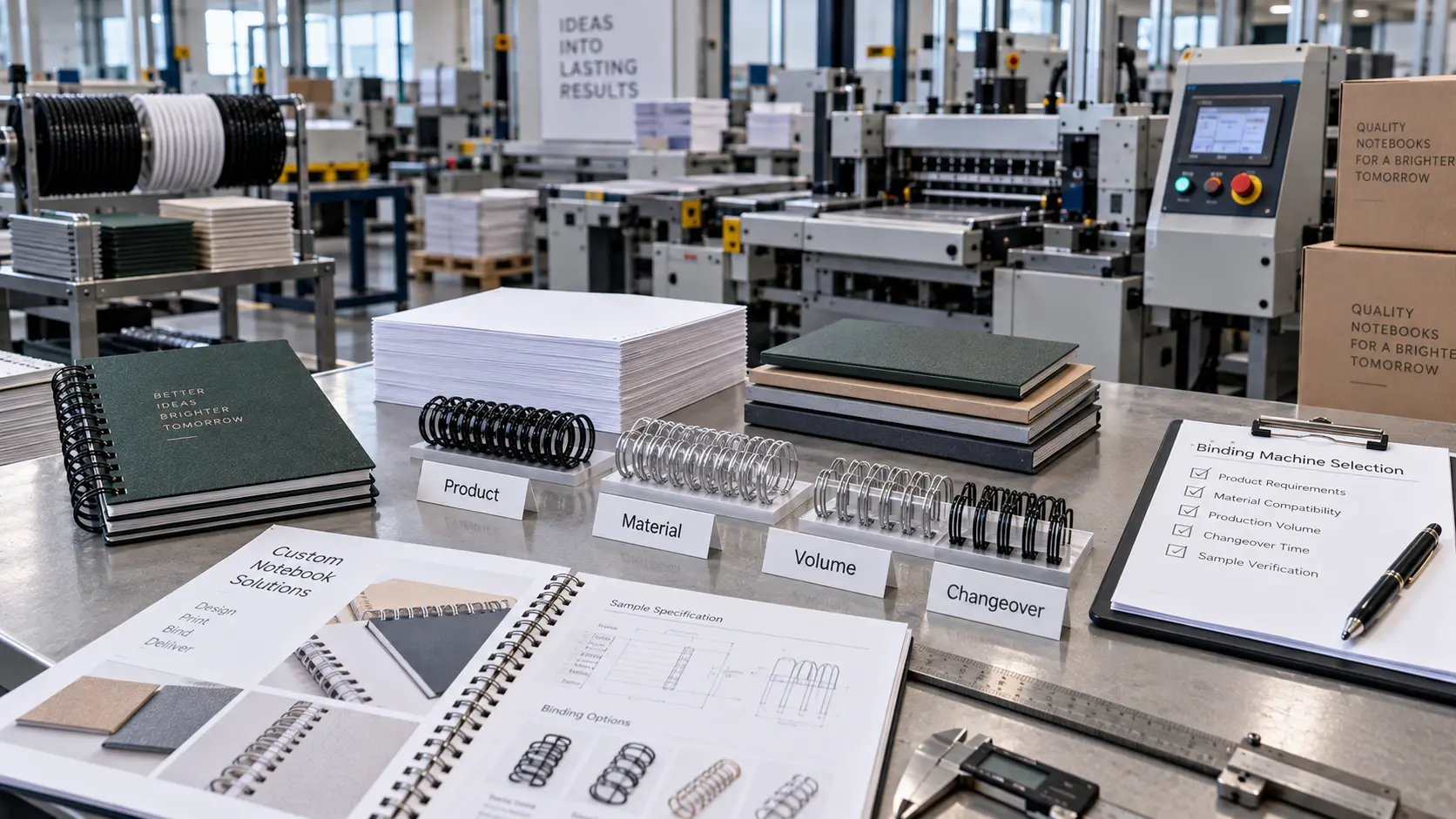
7. Check Changeover, Adjustment and QC Controls
A machine can produce a good first sample and still be difficult to run consistently. Ask how operators control the settings that influence finished quality.
Important questions include:
- How is the side guide or punch position locked?
- How is closing pressure or closer position set for Wire-O?
- How is insertion speed adjusted for different coil sizes?
- Can operators save or reproduce repeat-job settings?
- Which wear parts affect hole quality or spine closing?
- What sample should be approved before a long run begins?
These questions are more valuable than a long list of features because they reveal how the equipment will behave after the first demonstration.
8. Verify Serviceability and Spare-Part Support
For production equipment, uptime is part of the purchase specification. Ask which parts are considered wear items, what maintenance can be done by trained operators, what requires a technician, and which drawings or manuals are provided.
Do not assume that two machines with similar output have the same maintenance burden. Punch tooling, sensors, belts, closing components and drive parts can have very different service requirements.
9. Prepare a Better Binding Machine RFQ
A useful RFQ should include more than the desired machine type.
- Product: notebook, calendar, report, manual or other item
- Finished size and binding-edge length
- Paper type and typical sheet count or measured book-block thickness
- Cover material and thickness range
- Binding style: plastic coil, metal spiral, Wire-O or other
- Pitch and spine size range required
- Target production volume
- Current manual steps or bottlenecks
- Available power and installation constraints
- Required safety, documentation and destination-market needs
Giving this information to a supplier makes it easier to determine whether the right answer is a punch, closer, inserter, integrated machine or a combination of stations.
Common Buying Mistakes
- Buying by maximum capacity alone: capacity without material context can be misleading.
- Ignoring pitch: machine, holes and spine must be compatible.
- Testing only copy paper: run the actual cover and interior stock.
- Over-automating a variable workflow: flexibility can matter more than top speed.
- Skipping the finished-book test: approve page turning, hole quality and closing-not just machine motion.
FAQ
Q: What Is The Best Binding Machine For A Notebook Factory?
A: The best machine depends on the binding system, pitch, page format, cover construction, book-block thickness and production volume. Define the finished notebook first, then match the punch and binding stages.
Q: Should I Buy A Coil Binding Machine Or Wire-O Binding Machine?
A: Choose according to the product you intend to make. Coil and Wire-O use different spine structures and can require different punch and finishing equipment. If both are part of the product mix, plan the line around changeover and die compatibility.
Q: Is A Higher Punch Capacity Always Better?
A: No. The rated capacity must be relevant to your paper and cover materials, and the machine still needs the correct pitch, usable edge length and alignment control.
Q: What Should I Send YPS Before Asking For A Machine Recommendation?
A: Send a sample or specification showing finished size, paper, cover, page-block thickness, binding type, pitch if known and expected production volume. You can use the YPS inquiry form to start that discussion.